

The Benefits of Aloe Vera
Aloe is cultivated in different climates around the world, and more than 300 species have been identified.
"Aloe vera", which is native to arid regions, is one of the many types of aloe.
It is also said to have originated on the Caribbean coast.
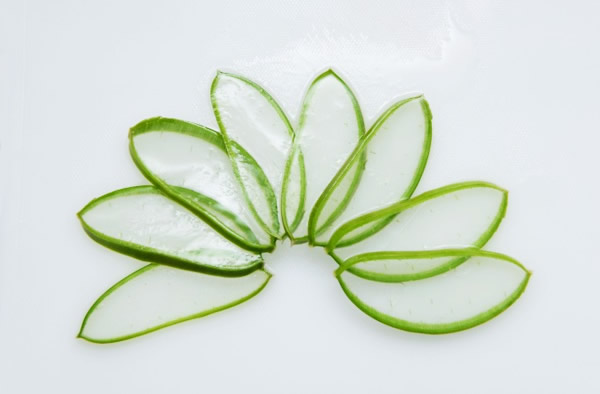
A single very thick aloe vera leaf can weigh over 1 kg.
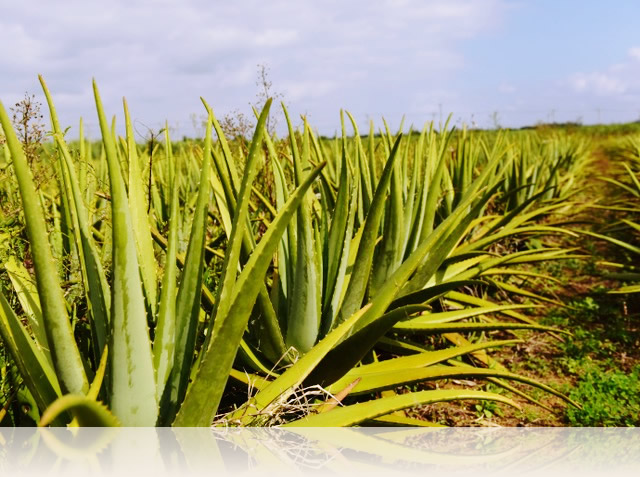
Aloe vera, which is native to arid regions, has a strong vitality that stores the limited water and nutrients on the ground by growing many thin roots on its own in order to survive in a harsh environment where there is little rain and strong sunlight, making it difficult for trees to grow.
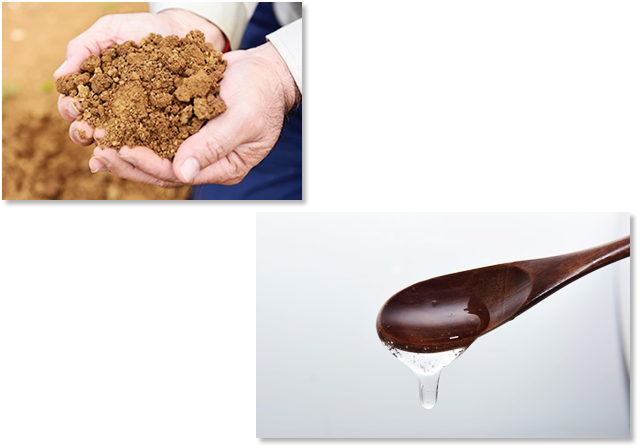
In order to make the original power of aloe vera stronger and stronger, it is grown in special soil that is completely free of chemical fertilizers.
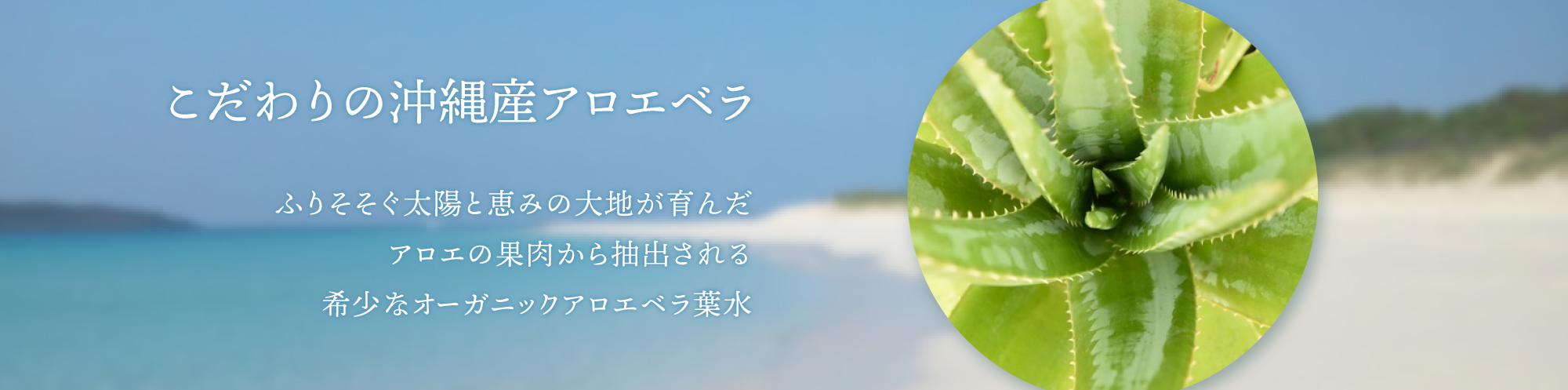
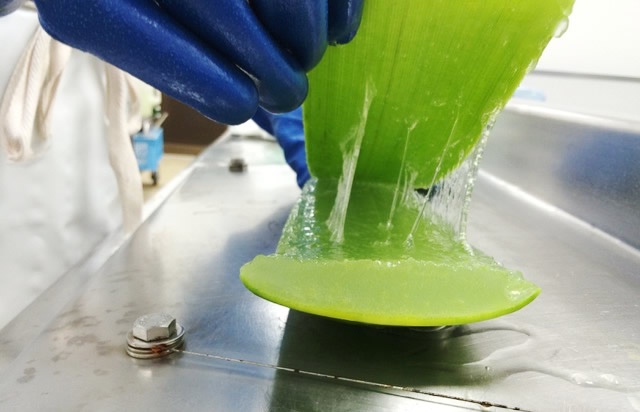
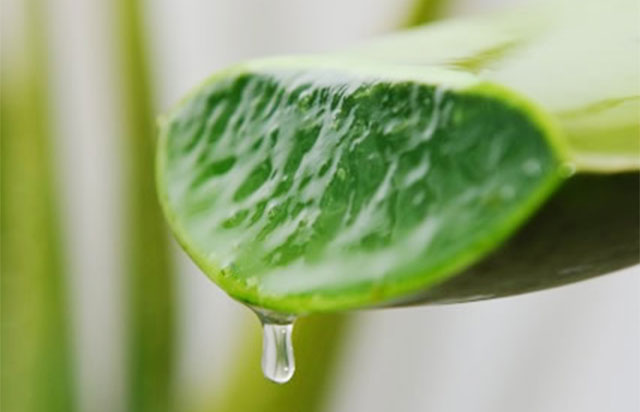
Compared with plants stressed by chemical fertilizers and pesticides, organically grown aloe vera has remarkably viscous, clear gel.
Aloe vera's diverse nutrients
The aloe vera used in Madonna products is
Cleared various standards based on the JAS law and was certified by the Ministry of Agriculture, Forestry and Fisheries.
Grown on an organic JAS certified farm.
We manage aloe vera in a state as close to its natural state as possible so that its original power can be fully demonstrated.
We protect an environment where insects, butterflies, and birds can come and experience nature right in front of our eyes.
| Polysaccharide | The molecular weight of the polysaccharide contained in Aloe Vera is said to be more than 10 times (about 450,000) that of Kidachi Aloe (about 40,000), but the molecular weight of organically grown Aloe Vera can exceed 1 million. |
|---|---|
| Enzymes | It contains eight enzymes needed to sustain life, including catalase, alliinase and amylase. Catalase in particular is an antioxidant enzyme essential for addressing reactive oxygen species. |
| Vitamins | Contains 9 types of vitamins, including antioxidant vitamins A, C and E that help address reactive oxygen species, as well as B vitamins and folic acid. |
| Minerals | Contains minerals such as magnesium, zinc, iron, copper, and manganese that are used as materials for making antioxidant enzymes. |
| Amino acids | Contains 18 types of amino acids, including all essential amino acids (9 types) that cannot be produced by the body, such as isoleucine, leucine, and lysine. |
“Three active powers” of aloe vera that help care for aging skin
- 1. Aloe vera leaf water is highly safe and is often drunk as drinking water, and is said to improve the intestinal environment and beautify the skin.
- 2. Aloe vera's diverse nutritional content has made it widely used in cosmetics, medicine, and food all over the world since ancient times.
- 3. It has the ability to soften the active oxygen that is generated excessively due to dry skin, ultraviolet rays, and various modern stresses.
Aloe vera's "moisturizing power"
By taking in aloe vera from the inside and outside of the body, the various nutrients contained in it will
It is said to have anti-aging benefits.
Aloe vera has about 70 types of micronutrients that are effective for maintaining health.
Approximately 300 types including unidentified components. Due to the wide variety of ingredients it contains,
Aloe vera is even called a symphony orchestra of active ingredients.
There is an impression that "aging care starts only when you get older," but aging begins even in your 20s, and UV rays and environmental changes can also contribute to dry skin. It is said that the earlier you start anti-aging care, the better.
Organic madonna supports healthy skin.