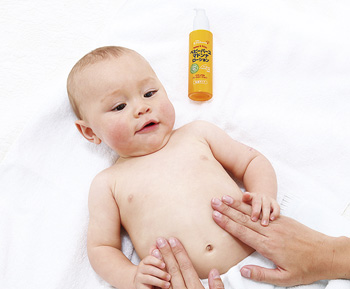


What skin problems can occur during pregnancy and infancy?
How should I take care of it?
I have summarized the troubles that tend to occur during this period.
- Maternity skin problems
- Baby skin problems
What exactly are stretch marks? How to prevent it?
How stretch marks form
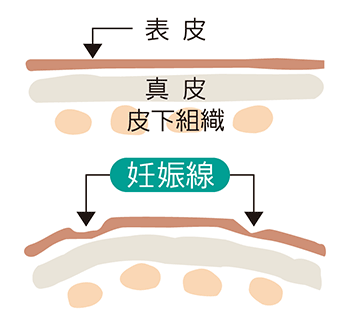
The skin consists of the epidermis, dermis, and subcutaneous tissue. As the abdomen grows during pregnancy, the epidermis can stretch, but some parts of the dermis and subcutaneous tissue do not stretch easily, resulting in cracks and red-purple linear spots.
Excessive tension in the connective tissue, or stretching associated with fat, excess weight or pregnancy, can cause tears in elastin and collagen fibers. Stretch marks are not usually painful, but they may itch. Avoid scratching hard enough to damage the skin.
Stretch marks can also appear in areas where fat tends to accumulate, such as the lower abdomen, breasts, thighs and buttocks. Each line is about 2–3 mm wide and 5 cm long, and feels slightly sunken compared with the surrounding skin. After childbirth, reddish-purple stretch marks gradually fade to white. They may look shiny in the light, and the skin does not return to its pre-pregnancy appearance. Start preventive care early.
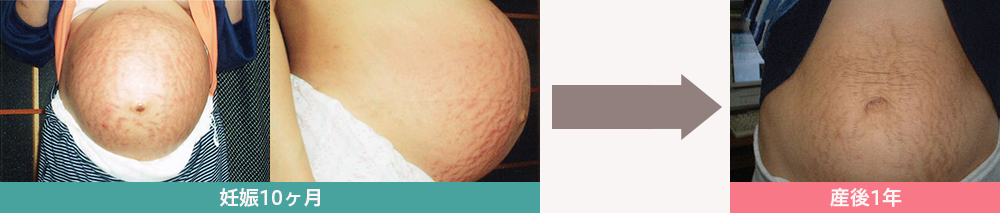
Many vertical red lines are stretch marks. When freshly made, it is reddish-purple in color and becomes whitish over time. As shown in the photo above, it becomes less noticeable after childbirth, but once it occurs, it will never go away, so prevention is important.
2. When and types of stretch marks appear
It tends to start appearing after the beginning of pregnancy, or when morning sickness ends and you gain weight rapidly, and it starts appearing around the lower abdomen, where it is a little difficult to see.
During this period, stretch marks (red lines) may also appear on the breasts and thighs. Stretch marks on the breasts tend to appear radially around the areola, and also on the thighs. When the subcutaneous fat is thick, the subcutaneous tissue loses its elasticity, making stretch marks more likely to appear.It is also said that stretch marks are more likely to appear in people who are petite and tend to have a protruding belly, in the case of twins, and in multiparous women.
3. How to prevent stretch marks
- Make sure to eat a well-balanced diet.
- Avoid high calorie foods.
- Limit your weight gain to 8-10kg.
- It also prevents pregnancy toxemia.
- Soften your skin with stretch mark cream.
Skin trouble
1. Relationship between skin changes associated with pregnancy and stretch marks
Physiological skin changes associated with pregnancy include itching, dryness, eczema, and hirsutism.During pregnancy, hormonal changes can cause itching all over the body, as well as flaky and red spots. It is called pruritus of the skin of pregnancy and is said to occur in 2-3% of pregnant women.
This can begin around the fourth or fifth month of pregnancy and is associated with the balance of hormones released by the placenta. Increased metabolism and sweating at this stage can also lead to heat rash or itchy eczema. People with sensitive or dry skin may be more prone to these symptoms. In some cases, scratching unconsciously can damage the skin and be followed by the appearance of stretch marks.
Postpartum, there is pigmentation on the face, nipples, areola, midline of the lower abdomen, vulva, etc., and the cause is thought to be activation of adrenal cortical hormones.
2. How to take care of itching, dryness, etc.
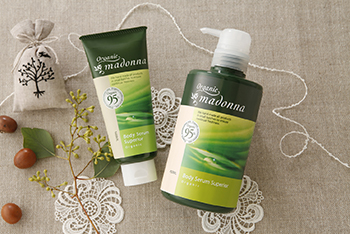
We recommend keeping your skin clean by taking a bath and wearing cotton underwear that is gentle on your skin. If you have sensitive or dry skin, we recommend wiping your body gently or using a mildly acidic soap when bathing, and applying a highly moisturizing cream immediately after bathing. Or, by using a specialized cream before bathing, you can create a barrier on your skin and keep it in good condition.
References
Madonna Inc. Naoki Yamada
Skin changes and beauty during pregnancy and postpartum period (focusing on stretch mark prevention)
Medical journal: Perinatal Care Published in November 1997
What is varicose veins?
1. How varicose veins form
Varicose veins, which are more likely to occur in pregnant women, occur when the uterus enlarges and the amount of blood around the uterus increases.Additionally, the progesterone loosens the blood vessel walls, causing blood to accumulate in the veins and press them, causing congestion, resulting in lump-like bulges. They tend to occur in areas with poor blood flow, such as the back of the knees, the inside of the thighs, and the base of the feet.
2. When are varicose veins more likely to develop?
It often occurs after the second trimester when hormones increase and the uterus grows.
3. Prevention method
- Be careful of staying in the same position for long periods of time.
- Sleep with your feet elevated.
- Don't let your body get cold.
- Eat a low-salt diet and get a massage to improve blood circulation.
- Improve your constitution by taking vitamin C and vitamin E, which strengthen blood vessels.
Breast changes
1. size and breast milk
As the breasts grow and the mammary glands develop, you may feel tightness. Some people also notice a small amount of discharge, which indicates mammary gland development. Avoid excessive stimulation through massage or similar actions, as it can cause abdominal tightening. Breast appearance and size vary between individuals; these differences do not mean that you will be unable to produce breast milk.
2. changes in the nipple
Nipples become sensitive due to hormonal changes, causing pain, itching, and dryness when touching underwear. Pigment will also deposit and darken. Pigmentation prepares the nipple to become latchable for the baby to drink breast milk.
3. How to care
- Make sure to eat a well-balanced diet.
Avoid high protein and high fat foods as they can make your breasts swell. - Since this is a delicate area, please use a moisturizing cream specifically designed for nipples (no massage required).
- Avoid tight underwear that hinders mammary gland development, and wear a soft, loose-fitting bra.
Facial skin problems
1. Spots, freckles, pigmentation, pimples
Changes in the facial skin associated with pregnancy can lead to skin problems such as age spots, freckles, dull skin, and pimples. Disturbed eating habits due to morning sickness also cause these changes. Due to changes in the hormonal balance, melanin pigments are deposited, causing dark spots and freckles to become darker and more noticeable. There is no need to worry as it will gradually become less noticeable after giving birth.
2. Prevention method
- Wear a hat or use a parasol when going outdoors. Even at home, activities such as hanging out laundry can expose your skin to UV rays, so take sun-protection measures.
- Use a special UV care cream to prevent UV rays.
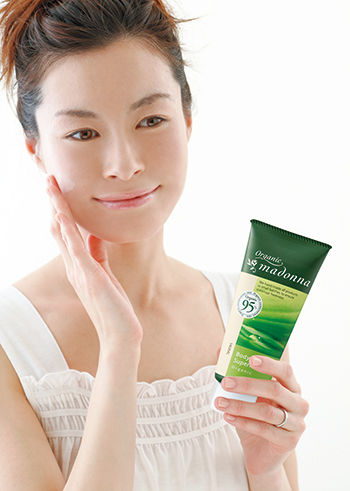
- If it irritates your dry skin, it can cause darkening, so wash it gently with your hands and treat it with a moisturizing cream.
- Try to eat a well-balanced diet, especially taking vitamin C and vitamin E.
Diaper rash
1. diaper rash
Diaper rash is dermatitis caused by irritation of the area that comes in contact with the diaper. It is thought that inflammation is caused by stimuli such as urine and poop. Even if you try to clean your skin, if there is any dirt left on it, it can cause a rash. Also, diapers can get stuffy and irritated if you leave them on for a long time, so be sure to change them frequently.
If your baby's bottom becomes red, gently wash it with warm water and dry it thoroughly before putting on a diaper. If symptoms are severe, it may be candidal dermatitis; consult a pediatrician or dermatologist.
2. How to care
- Keep your baby's bottom clean at all times.
- Change diapers frequently.
- Gently washing with warm water at each diaper change is recommended.
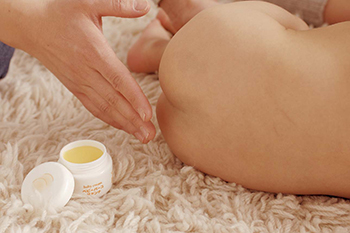
(Don't rub it, just wipe it gently.) - Take care with baby cream.
Infantile seborrheic eczema
1. infantile seborrheic eczema
During medical examinations, you may often be referred to as "infant eczema," but in reality, it is often referred to as "infantile seborrheic eczema." Infant seborrheic eczema is characterized by excessive sebum secretion on the head, forehead, eyebrows, around the nose, chin, etc. until around 1 to 6 months of age, when the baby's head, forehead, eyebrows, nose, and chin become red, and then gradually spread, causing yellow flakes to appear. In newborns, secretory glands called sebaceous glands become active, producing a large amount of sebum and becoming seborrheic. This is a buildup of sebum, and if left untreated, it becomes like a scab. It feels sticky, but it's not itchy. However, in most cases, it disappears by around 6 months.
2. How to care
- You sweat a lot, so change your clothes often.
- Wear clothes made of cotton, which is gentle on your skin.
- When taking a bath, use the soft parts of your hands to wash your child's body.
- Treat your baby with baby cream before taking a bath. (It creates a barrier on the skin and keeps it in good condition).
- Gently wash your baby's body in the bath using a baby wash.
- After bathing and towel drying, apply baby cream again to create a protective barrier and keep the skin in good condition.
3. What is the difference between seborrheic eczema and atopy?
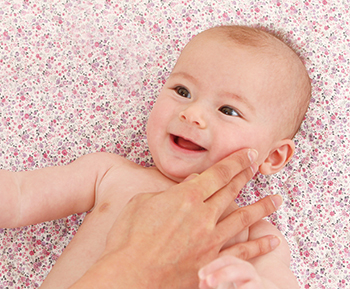
When a baby has infant eczema, seborrheic eczema or particularly severe symptoms, parents may worry about atopic dermatitis. Infant or seborrheic eczema does not necessarily lead to atopic dermatitis. Consult a pediatrician, dermatologist or allergy specialist if you notice redness or weeping behind the ears, around the mouth, on the face or around the hand joints; frequent bleeding from scratching during sleep; or symptoms that improve with medication or a specialized cream but then worsen again. Some hospitals also offer blood or skin tests. Try not to worry excessively, and seek medical advice promptly if you remain concerned.
4. Could it be caused by your eating habits while breastfeeding?
Mothers concerned about their baby’s eczema should be careful about their diet before worrying about allergies. After giving birth and as a reaction to pregnancy, there is a tendency to eat too much fat, sugar, and other high-calorie foods (Chinese food, pork cutlets, tempura, cake, chocolate, milk, and dairy products), but please refrain from doing so. In particular, some people consume large amounts of milk every day to improve breast milk production, but this is also not recommended. Try to focus on Japanese food as much as possible.
Infant eczema/heat rash
1. Eczema, heat rash, and rough skin on the face and body
This is seen in babies from 2 to 3 weeks to 6 months old. Babies' skin is thinner and more delicate than adults', and their metabolism is more active, making them more susceptible to eczema. Especially while you sleep, you tend to sweat a lot, which can lead to rashes, eczema, etc., and your entire body may feel dry all the time. In addition, drool and food juices can weaken the skin and make it more susceptible to redness, so it is important to wash the area around the mouth with warm water and wipe it gently after meals, and always try to keep the skin clean.
2. How to care
- You sweat a lot, so change your clothes often.
- Wear clothes made of cotton, which is gentle on your skin.
- When taking a bath, use the soft parts of your hands to wash your body.
- Treat your baby with baby cream before taking a bath.
- Gently wash your baby's body in the bath using a baby wash.
- After wiping your body in the bath, treat your baby with baby cream. (It creates a barrier on the skin and keeps it in good condition)
Skin care for babies
1. Skin care from newborn is important
Taking care of your skin from the time you are a baby will change the condition of your skin in the future. Skin that has been properly moisturized with skin care since newborn will remain smooth and smooth and have fewer skin problems even as an adult. Continuing your baby's skin care from one week to eight months after birth is very important to maintain healthy skin. Newborn babies are prone to skin problems such as eczema because they secrete a lot of sebum. To protect your baby's delicate skin, it is important to keep it clean and take good care of your skin.
2. What kind of skin care should I do?
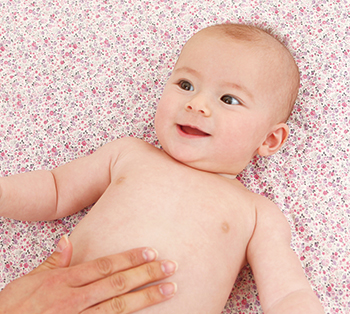
When your baby is around 1 month old and produces a lot of sebum, cleanse your baby's skin by taking a bath. Around 3 to 4 months after birth, the amount of sebum decreases and the skin becomes more prone to dryness. For dry, dry skin, moisturize your skin with a moisturizing lotion or cream, and after a bath, apply a lotion that spreads smoothly to keep your skin hydrated.